
Off-Leash Remote Recall Training
Before I ask a dog to handle freedom off leash, I want to know that they understand how to communicate with me on leash. Remote recall training is much more than teaching a dog to come when called. My program includes loose-leash walking, basic heeling, place, extended down-stays, and focus training, all wrapped into the process.
The leash work gives us the foundation. It teaches the dog how to follow direction, manage pressure, settle, focus, and understand what I am asking without confusion. I want the leash to become less about physically controlling the dog and more about communication. Once that understanding is there, I begin introducing the remote.
I do not look at a remote collar as a replacement for training, and I don't believe it should be used as a shortcut. The dog first needs to understand the language. The remote simply allows that same communication to reach them at a distance. That distinction is important to me.
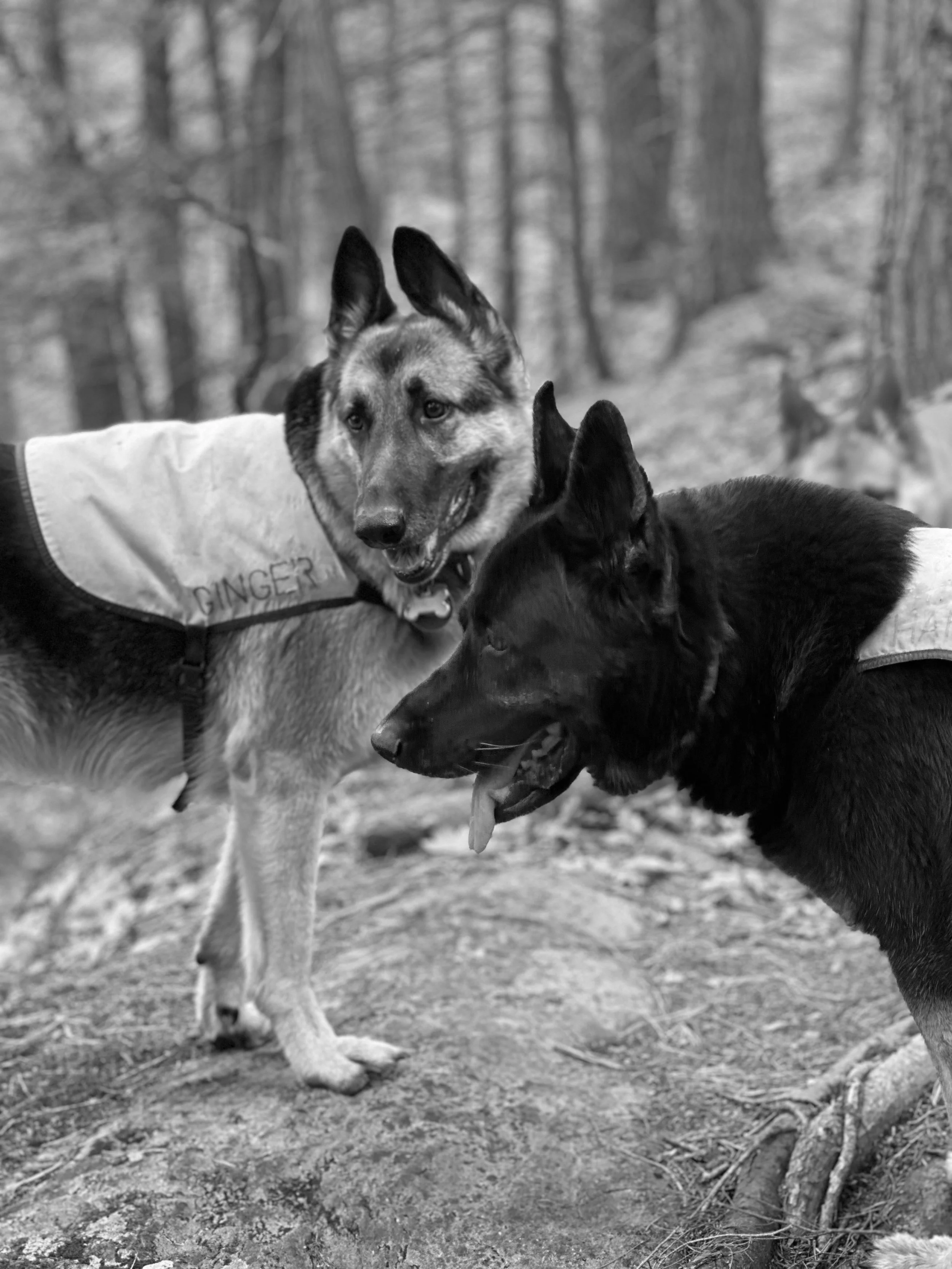
My goal is not to create a dog that is afraid to leave your side. I want a dog that can run, explore, move through the woods, and enjoy being a dog while still choosing to stay connected to the person responsible for them. That's where recall becomes freedom.
The Two-Week Process
The program is completed over two weeks here in Halfmoon, New York, and the training is done one-on-one. The process is intentional: week one is primarily about teaching your dog, and week two is about teaching you how to take over and maintain what your dog has learned.
Week One
I work directly with your dog to establish the leash work, focus, place, down-stay, basic heeling, and recall foundation before moving into remote communication. Clients are always welcome to watch during this first week. In fact, I think there's value in seeing the process and watching your dog begin to understand it.
Your role during week one, however, is mostly observation. I want your dog to have the opportunity to learn one clear system without too many hands involved. Once that understanding is established, I can begin transferring the responsibility back to you.
Week Two
.Once I am confident that your dog understands what I've been teaching, I begin working directly with the dog's primary handler. This part of the program is as much about teaching the person as it is about training the dog.
We work through leash handling, timing, pressure, body language, remote use, recall, and how to recognize whether your dog truly understands what you're asking. I want you to know not only what to do, but why you're doing it and when it is appropriate. The goal is for you to leave the program capable of maintaining the same communication I established with your dog.
One Dog. One Primary Handler. One Clear System.
I prefer to work primarily with the person who will be handling the dog most often because consistency makes learning easier for both the dog and the human. That does not mean the rest of the household is left out.
If a spouse, family member, caregiver, or another regular handler needs to understand the system, we can culminate the program with everyone involved. This gives me the opportunity to make sure each person understands how to communicate with the dog without changing the rules from one person to the next. The dog should not have to figure out a different language for every person in the house.
What I Am Really Teaching
Reliable recall is the end result, but it is not the only thing we're building. I am teaching your dog how to listen while distracted, how to settle when asked, how to move with you without being physically restrained, and how to understand communication whether they're right next to you or fifty yards away.
At the same time, I'm teaching you how to become clearer and more confident in the way you handle your dog. I want the leash to eventually feel like something you use because society requires it, not because it's the only thing keeping your dog with you.
The remote gives us distance. The training gives us understanding. Understanding builds trust. Trust earns freedom.